

La Niña Bridge 1 and 2
Following the collapse of Sechura's road network caused by El Niño (2017) and the overflowing of the La Niña lagoon, we installed two modular bridges of 120 and 60 meters, featuring deep foundations and high-strength concrete slabs (MR 4.8 MPa). This technical solution was specifically designed to withstand heavy loads and the region's harsh environmental conditions, effectively restoring road connectivity. By ensuring a resilient infrastructure, we have guaranteed transitability against future extreme weather events.


Salaverry Port Terminal Modernization
To overcome port infrastructure limitations that restricted the access of large-scale vessels, we renovated pilings and built new platforms using 93,500m³ of ready-mix concrete and precast solutions. This technical execution successfully addressed maritime environment challenges with a highly durable structure, increasing the terminal's operational capacity and safety allowing the entry of vessels with deeper drafts and boosting the country's international trade.

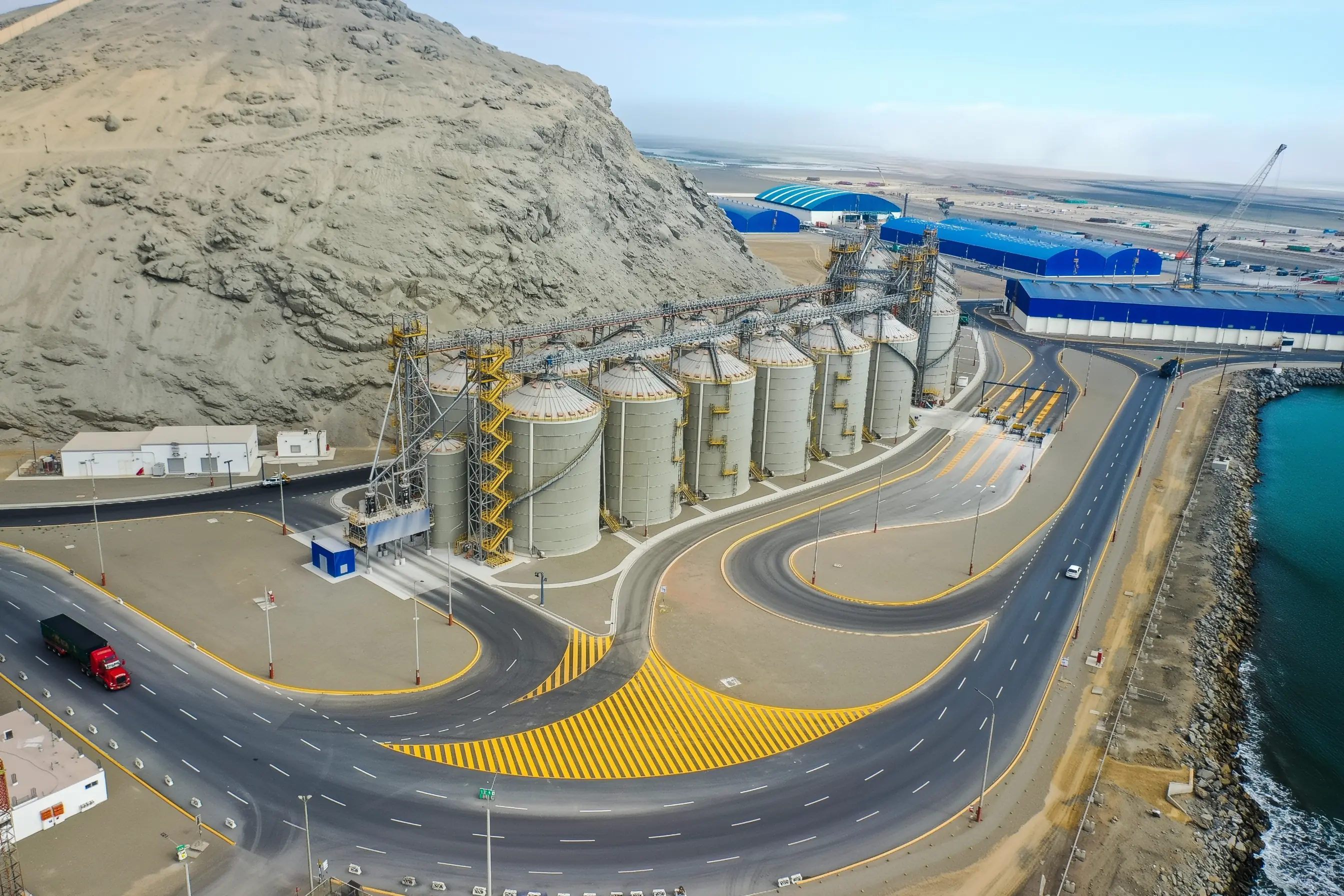
Yanacocha Mine Water Treatment Plant


Support Hospital II – Chulucanas
To brodge the hospital infrastructure gap in Chulucanas and overcome the challenges of its remote location, we set up a dedicated operation to replace the area's deficient infrastructure. We optimized construction by using ready-mix concrete for structures, Rapimix ready-mix for plastering, and concrete blocks for enclosures, ensuring operational efficiency and technical quality at every stage. The result is safe infrastructure that transforms healthcare for 173,000 citizens, decentralizing health services and improving emergency response in Alto Piura.


Tarata Bridge
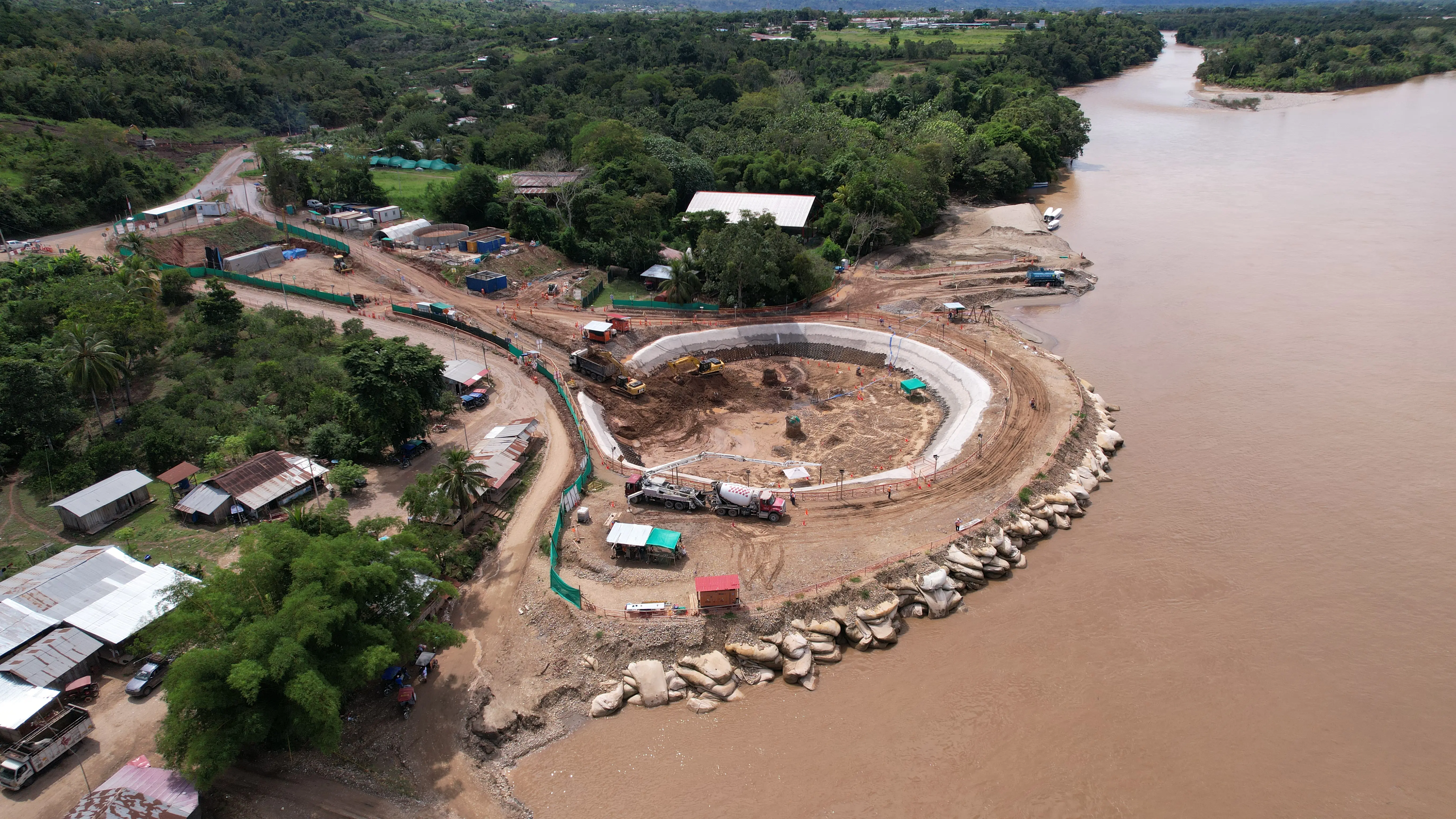


River Defenses - Motupe and La Leche Rivers - Section 1
To stabilize the banks of the Motupe and La Leche rivers in an area lacking rock, we implemented an engineering solution by supplying 120,000m³ of soil-cement for dike construction. This technique allowed us to optimize local resources and ensure efficient structural protection against flooding where conventional methods were not feasible. As a result, more than 52,000 residents benefit from prevention infrastructure that reduces the region's vulnerability to natural disasters and protects the environment from flood risks.

